
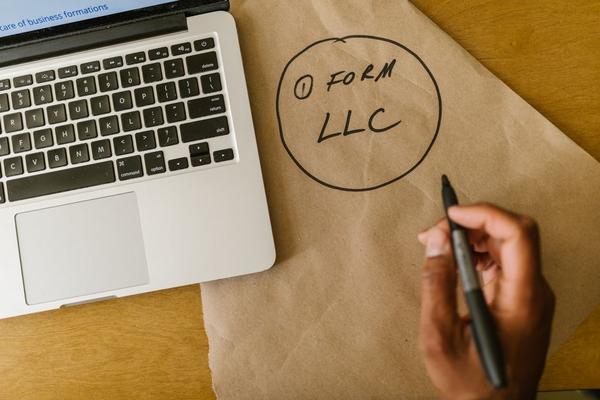
Registering a limited company in the UK goes more smoothly when you prepare the details before opening the Companies House form. For a straightforward private company limited by shares, you can usually apply yourself. The main decisions involve the company name, official address, directors, shareholders, ownership structure and business activity.
The online Companies House registration service currently costs £100, and a standard application is usually processed within 24 hours. Applications requiring extra checks can take longer. Once approved, Companies House issues a certificate of incorporation confirming that the company legally exists.
Step 1: Choose the Right Company Type
Most profit-making small businesses register as private companies limited by shares. The company is owned by shareholders, whose liability is normally limited to the unpaid value of their shares. A private company limited by guarantee is more common for clubs, associations and some not-for-profit organisations.
Before you incorporate a company in the UK, confirm that this structure suits your plans. It creates a separate legal entity, but it also brings filing, record-keeping and director responsibilities. Reading about choosing the right business structure before applying can prevent an unnecessary incorporation.
Step 2: Choose and Check the Company Name
Your proposed name must be distinguishable from names already on the Companies House register. Search the register, use the name availability checker and look for relevant UK trade marks. Companies House approval does not automatically give you trade mark rights.
Most private company names end in “Limited” or “Ltd”. Certain words are restricted or sensitive and may require permission. Avoid wording that falsely suggests a connection with government, a regulated profession or another established organisation.
Step 3: Prepare the Registered Office and Email
You need an appropriate registered office address in the same UK jurisdiction where the company is incorporated. The address must be a physical location where documents can be delivered and acknowledged; a PO Box alone is not enough.
The registered office appears on the public register. If you work from home and prefer not to publish your residential address, arrange a suitable business, accountant or registered-office service before applying. You must also provide an appropriate email address for official Companies House communications, but that email is not displayed publicly.
Step 4: Gather Director, Shareholder and PSC Details
A private limited company needs at least one director, and at least one director must be an individual. Prepare each director’s full name, date of birth, nationality, occupation, service address and residential address. The residential address is generally kept off the public register, while the service address is public.
You also need at least one shareholder for a company limited by shares. The same person can be both the sole director and sole shareholder. Decide how many shares will be issued, their nominal value and who will own them. A simple one-person company often starts with one ordinary share worth £1, although the right structure depends on future ownership plans.
Identify every person with significant control, or PSC. This often includes anyone holding more than 25% of the shares or voting rights, or anyone able to appoint or remove most of the board. Directors and PSCs are subject to Companies House identity-verification requirements, and you may need a Companies House personal code during registration.
Step 5: Select a SIC Code and Company Rules
Your application needs at least one Standard Industrial Classification code describing what the company does. Choose the code that most accurately reflects the main activity. You can use more than one SIC code when the company genuinely has different activities.
You must also confirm the company’s constitutional documents. The memorandum of association records the subscribers’ intention to form the company, while the articles of association set the rules for how it is governed. The online service can generate the memorandum and use standard model articles. Businesses with unusual voting, investment or control arrangements may need tailored articles and professional advice.
Step 6: Register the Company Online
Use the official GOV.UK service to register a company online. Enter the company name, registered office, contact email, directors, shareholders, PSCs, share structure, SIC code and articles. You will also make legal confirmations about the intended lawful activities of the company and the accuracy of the information supplied.
Review every screen before payment. A common mistake is publishing a home address unintentionally or entering inconsistent spellings for the same person. For example, if “Aisha Rahman” appears as a director, shareholder and PSC, use the same full legal name and details in each role.
Pay the £100 company registration fee by debit or credit card and submit the application. Paper form IN01 is available for registrations that cannot use the standard online route, but it currently costs £124 and usually takes longer.
Step 7: Check Your Incorporation Documents
After approval, you will receive a certificate of incorporation showing the company name, registration number and formation date. Check the public record immediately to confirm that the registered office, directors, PSC information and business activity are correct. Keep the certificate, memorandum, articles and share records securely.
Companies House will also issue an authentication code for online filings. Treat it like a security credential because someone with the code may be able to submit changes for the company.
What to Do After Registration
Registration is the beginning of the company’s compliance duties. Set up company and accounting records, separate business finances from personal spending, and understand the legal duties of company directors. The online service will usually set the company up for Corporation Tax at the same time unless it is dormant, but you still need to follow HMRC requirements when trading begins.
You may need to register for PAYE if the company employs staff or pays a director through payroll, and for VAT if registration is required or beneficial. Note the deadlines for annual accounts and the confirmation statement, and update Companies House when registered details change. A guide to Corporation Tax for new companies is a useful next step.
Frequently Asked Questions
How much does it cost to register a limited company?
The standard online Companies House registration fee is currently £100. A paper IN01 application costs £124. Formation agents may charge additional service fees.
How long does online registration take?
A standard online application is usually registered within 24 hours. It can take longer if Companies House needs to review the name, identity details or other information.
Can I register a limited company by myself?
Yes. One person can usually register a private company limited by shares and act as its sole director, shareholder and PSC, provided the legal requirements are met.
Do I need an accountant before registering?
No accountant is required for a straightforward Companies House registration. Professional advice can help when there are multiple owners, outside investment, tailored share rights or unusual articles.
Complete the Application with Confidence
The fastest way to register a company online is to prepare the details first and enter them consistently. Confirm the structure, protect your preferred name, arrange a suitable public address, identify directors and PSCs, decide the shareholding and choose the correct SIC code. A careful application reduces the risk of rejection and gives the new company an accurate public record from its first day.